

It’s 2026, and across transport operations the pressure hasn’t eased. Congestion is still rising, disruption is frequent, margins remain tight, and skilled people are just as hard to find. Most teams are already working at full stretch. Yet delays, cancellations and service strain continue to show up.
You can see it in the numbers. In 2025, more than 60% of major urban areas experienced rising congestion. In the UK alone, traffic delays cost an estimated £11 billion, with drivers in London losing an average of 91 hours a year. Operations are simply more volatile than it was even a few years ago.
But what’s harder to quantify is the gap between effort and outcome. It just keeps widening.
Your maintenance team responded to three breakdowns last Tuesday that shouldn’t have happened. The route review that took two days to complete identified problems your depot manager spotted three weeks earlier. And your control room spent Friday morning managing a disruption that the data suggested was coming on Wednesday.
The usual responses are already in place. Maintenance teams are being pushed harder, plans are reviewed and re-baselined, and control rooms intervene earlier and more often. And yet, the outcomes are inconsistent.
That mismatch is becoming one of the biggest operational challenges of 2026.
Why familiar responses are no longer absorbing pressure
When reliability slips, maintenance teams are asked to do more with the same assets, often through reactive intervention rather than planned improvement. Annual planning cycles are tightened and reworked in an effort to regain control. Control rooms step in earlier, relying on experienced people to stabilise services in real time.
What has changed is the stability of the environment they are operating in.
Across Europe’s road transport sector, 2025 industry analysis points to rising freight volumes colliding with a shortage of available carriers, creating strain in the system even before disruption events occur. That pressure is present before anything goes wrong.
You can see the same issues in passenger networks.
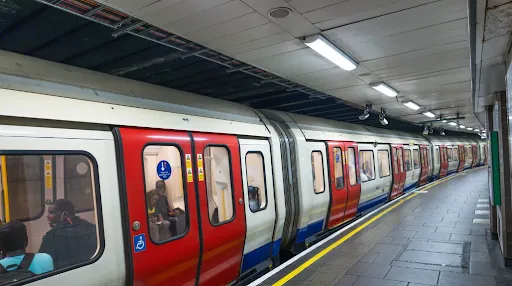
On the UK rail system, official mid-2025 data shows that only 84.8% of station stops arrived within three minutes of schedule, with nearly 4% of services cancelled. Performance is being held together, but with far less margin for error.
Approaches designed around reactive maintenance, annual planning cycles, and manual recovery struggle when conditions change week to week rather than year to year. By the time issues show up in performance data, organisations are often already reacting rather than shaping the outcome.
This is where pressure starts to compound.
Decisions are made closer to the point of failure, with fewer options available. Interventions become frequent rather than exceptional, increasing reliance on manual effort and individual judgement. Teams stay busy, responsive and committed, yet the effort required to hold performance steady continues to go up.
Over time, this creates a fragile operations framework. Services continue to run, but they rely heavily on manual effort and individual judgement. And performance holds… until it doesn’t.
How leading operators are rethinking when decisions are made
Some operators are responding to volatility by rethinking where pressure is addressed in the operation, rather than pushing teams to respond harder once disruption is already visible.
Here’s how this might play out. A depot manager spots a pattern in telematics data: brake pad wear on three vehicles is tracking faster than normal. In most organisations, this gets flagged at the next scheduled service, typically 4-6 weeks out. By then, one vehicle has already failed in service.
Operators handling this differently act on the pattern within days. Parts are ordered. Maintenance is scheduled during planned downtime. The failure never happens. Same data. Just acted on earlier.
This shows up across several areas:
- Pressure is picked up before it shows in performance reports: Punctuality and cancellations still need tracking. But on their own, they surface issues too late. By the time Monday’s performance report shows a problem, the moment to intervene was Thursday. Operators pulling ahead are acting on oil temperature trends, clustering of harsh braking events, and demand shifts on specific routes while there’s still time to plan a response.
- Control rooms focus on exceptions, rather than routine recovery: Control rooms and experienced teams remain critical. But when they’re stepping in manually multiple times per shift to hold services together, decisions are being made too late in the cycle. More consistent decision-making earlier reduces the load on individuals and means performance doesn’t depend on heroics.
- Experienced judgement is protected for the decisions that need it: Your depot manager doesn’t need to personally approve every routine scheduling adjustment or part replacement that follows a clear trend. When those decisions are taken earlier and more consistently, experienced teams have more capacity for complex, safety-critical, or genuinely novel situations.
- The goal is headroom (not speed): This is about creating more room to manoeuvre before things go wrong. Pressure gets absorbed earlier. Responses are more deliberate. Performance becomes less dependent on last-minute intervention.
Further reading: Transport operations 2026: How leading operators address challenges shaping the next two years
What this means for leaders in 2026
For senior transport leaders, 2026 brings a familiar reality. Most organisations are already operating close to their limits. The issue now is whether the way decisions are taken still fits the conditions they’re meant to manage.
This tension shows up quietly across operations, often well before it appears in formal reporting. It tends to surface around a small number of recurring pressure points:
- Where is pressure first visible, and how quickly does it get recognised as something that needs action?
- How consistently are decisions made, rather than relying on individual experience to fill the gaps?
- How often do teams step in manually, and does that effort reduce future disruption or simply contain the current issue?
- How much room does the system have to absorb disruption before performance starts to wobble?
Over time, this shapes how resilient the operation really is when conditions tighten.
Many leaders are already feeling the effects. Interventions happen more often. Plans are revisited repeatedly. Experienced people carry a growing load to keep services stable. Performance is defended, but with less margin for error than before.
The operators coping best are creating space to act earlier, reducing dependence on constant manual intervention, and using experienced judgement where it adds the most value.
This doesn’t require a wholesale rewrite of how transport operations run. But it does require a clear view of when decisions get triggered, where emerging pressure is already visible, and how much headroom is genuinely available when disruption hits.
These considerations are increasingly shaping how leaders think about reliability, safety, and operational confidence as they look ahead to 2026.
What reliable operations now depend on
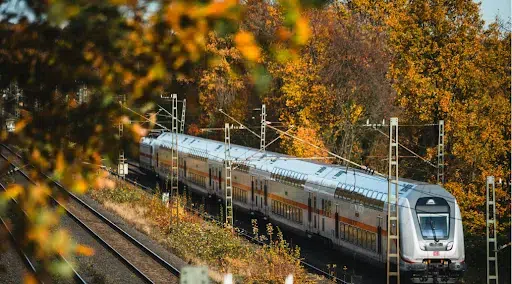
By 2026, pressure across transport operations is no longer something that comes and goes. It’s constant, overlapping, and increasingly hard to absorb. Most organisations already recognise this reality. The difference lies in how that pressure is handled day to day.
The operators pulling ahead are applying long-standing operational knowledge earlier, more consistently, and across a wider set of decisions. Pressure gets picked up sooner. Intervention is more deliberate. Experienced judgement is used where it makes the biggest difference.
Over time, this creates a different operating rhythm. Fewer last-minute recoveries. Less reliance on individual heroics. More confidence that when disruption does occur, there’s still room to respond.
For leaders, this is one of the defining challenges of the next few years. Not how hard teams are working, but how well effort, visibility, and decision-making line up with what’s actually happening on the network.
That alignment is what separates transport operations that cope from those that continue to strain under familiar pressures.